
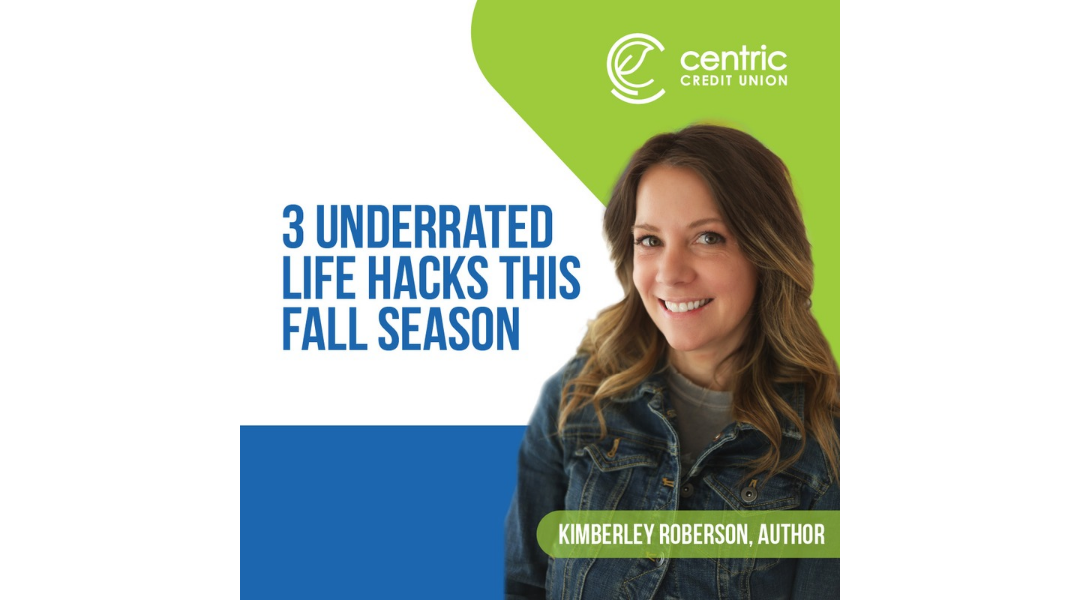
Fall’s shorter days, denser schedules, and approaching holidays often amplify stress and anxiety. While many reach for quick fixes, here are three quieter practices that deliver steadier relief.
Begin with morning light. Step outside within thirty minutes of waking for ten to fifteen minutes of natural daylight, even under gray skies. This simple exposure helps reset circadian rhythms and lowers cortisol more reliably than most supplements. The brief outdoor pause also creates a calm start that reduces the urge to chase caffeine or convenience purchases later in the day, making it easier to live better financially without constant budget strain.
Next, enforce a “digital dusk.” Here’s how it works: an hour before bed, dim screens or switch them to grayscale. Blue light delays melatonin precisely when autumn evenings grow longer, fragmenting sleep and heightening next-day irritability. Replacing the final scroll with a paper book or quiet stretching trains the nervous system to downshift. Better rest improves decision making, which in turn supports the small daily choices that help people live better financially over time.
Finally, protect two fifteen minute recovery blocks each day, one mid-morning, one late afternoon. Create margin or space in your day for tea, slow breathing, or a walk. These tiny pauses keep stress from compounding and prevent the emotional spending that often follows depletion. Consistent recovery builds resilience that carries through the season.
Practiced together, the three habits create a calmer internal climate as temperatures drop. They require no special equipment or dramatic lifestyle overhaul, only modest, repeated attention. The result is less anxiety and a clearer mind for the months ahead.
Kimberley Roberson is a seasoned literacy tutor, homeschooling mother of six, and graduate of the University of Louisiana Monroe, where she earned her master’s degree in literature. She brings her passion for learning, teaching experience, and real-life perspective to the topics she explores in her writing. The content of this article is intended for general informational and educational purposes only and should not be considered a substitute for professional advice. Readers should consult a qualified professional for guidance specific to their individual circumstances.
Print | Share | Questions




This credit union is federally insured by the National Credit Union Administration.



Recent Comments